The first page for a new plant
Keep the label, document the starting point and give a new arrival a record of its own.
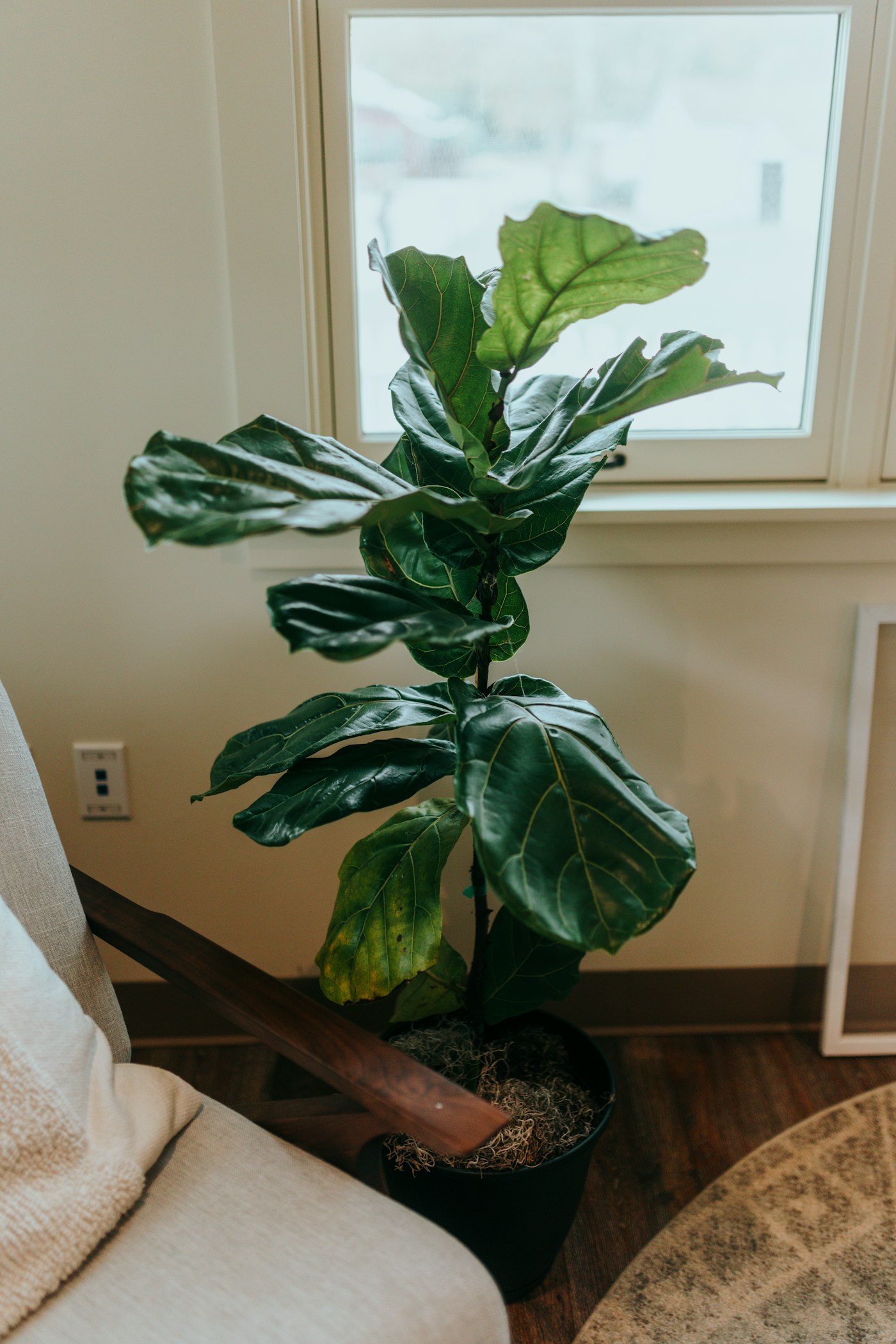
A plant's first day at home is a useful moment to document, even if nothing dramatic happens. Labels get separated from pots, small marks become difficult to remember and an initial position can change several times before anyone writes it down. One simple intake page preserves the starting point. It need not become an elaborate collection database to be worthwhile.
Keep the original information together
Photograph the plant, its label and its growing pot. Record the name as supplied rather than silently replacing it with a confident identification from a similar photograph. If the name is uncertain, write ‘identification to check’. Keep care instructions, purchase information you want to retain and any supplier notes in the same folder. Avoid copying private receipt details into a public plant diary.
Add an arrival date and a location code. Describe the current appearance in neutral terms: three mature leaves, a torn edge on the oldest leaf, a small new shoot. The purpose is to establish what was already there, not to diagnose every mark. A short note about the mix and whether the pot has drainage holes can also prevent confusion when you return to the record later.
Give observation some room
Illinois Extension's getting-started guidance recommends keeping a new plant away from established plants for up to three weeks and checking its condition as it adjusts. Plan a separate observation spot where you can still meet the identified plant's needs. Separation is easier to maintain if there is an obvious place for the pot, rather than a vague intention to keep an eye on it somewhere in the collection.
Use a repeatable check: look over the leaves, including their undersides, and note what you see around stems and the pot. Record observations rather than applying a treatment just because it appears on someone else's routine. If you find something unfamiliar, take a clear photograph and seek an appropriate identification or extension reference. A new plant does not need every possible intervention on arrival.
Write a handover note for your future self
The final section of the page should be practical. Where is its care guidance? What has actually been done since arrival? Which question remains open? A note saying ‘no repot yet; researching mix requirements’ is useful because it explains the absence of action. If several people care for the plants, make the page easy to find and agree how watering or position changes will be recorded.
After the initial observation period, keep the page as the beginning of a longer record. You can add later photographs without pretending they were all taken under identical conditions. A modest archive is enough: starting appearance, care information, actions and unresolved questions. The reward is not a flawless plant history. It is the ability to check a memory before turning that memory into a care decision.
New-plant care reference: Illinois Extension: Get Started with Houseplants. The intake-page layout is an editorial record-keeping suggestion.