A watering log should record the check, too
Write down what the pot felt like before watering, not simply the date water went in.
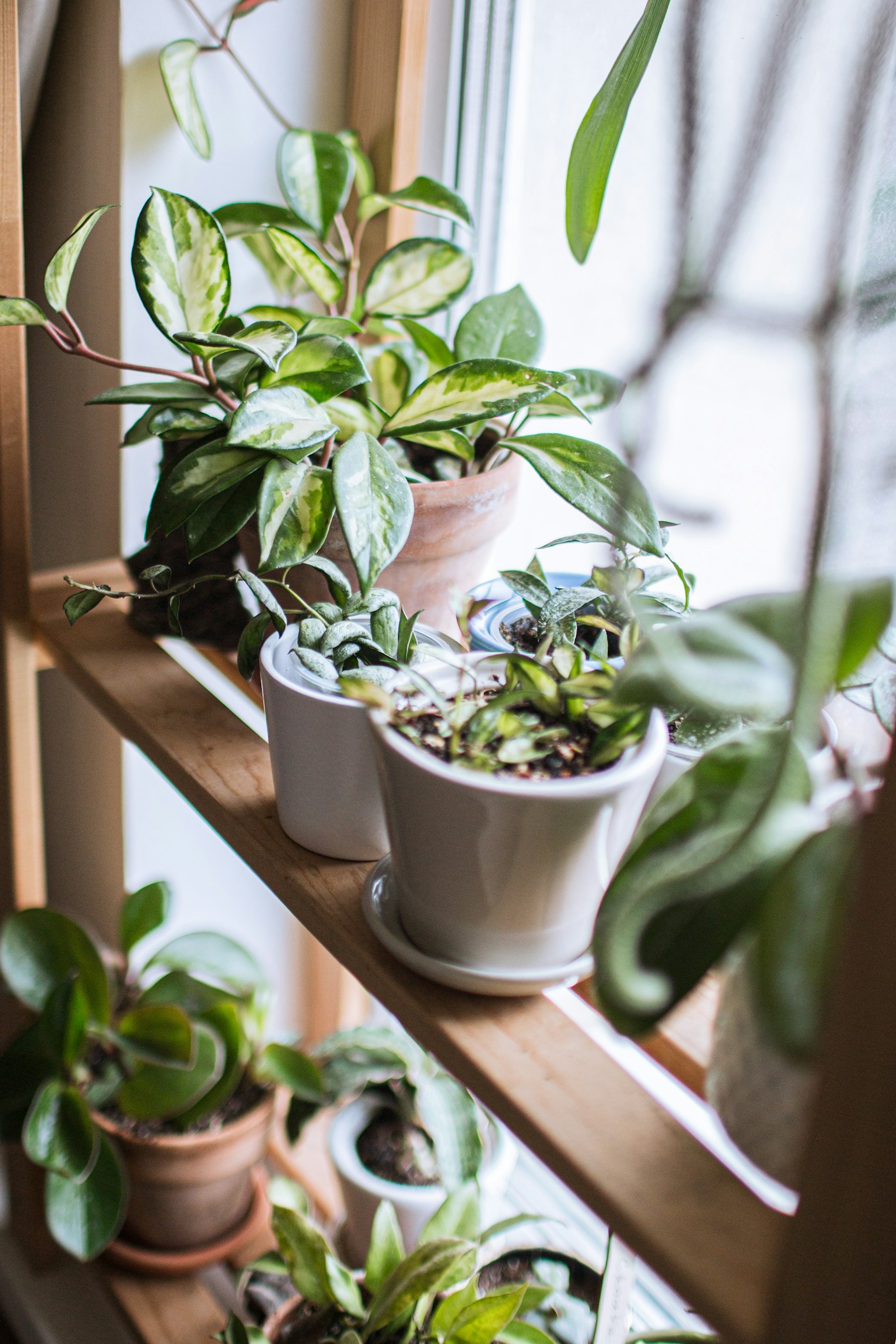
A row of watering dates can look reassuring while saying very little about a plant. It tells you when someone acted, but not why. A more useful journal includes the occasions when you checked a pot and decided to leave it alone. Those small pauses help reveal how one container behaves in its actual position, instead of turning an old interval into an automatic rule.
Start with one identifiable pot
Choose one plant rather than redesigning the routine for a whole shelf. Write its identification, pot size, container material and growing location at the top of a page. Note whether the plant sits inside a decorative outer pot. Give it a simple reference such as P03 so photographs and notes can stay together even if several plants look similar. Keep the plant's own care guidance beside this record.
For each check, use four short fields: date, condition observed, action and anything that changed. Describe what you actually checked. ‘Surface felt dry; lower mix not checked’ is honest and repeatable. ‘Dry’ on its own is ambiguous. If lifting the pot is comfortable and safe, note its relative weight in your own words, such as lighter than after the previous watering. Do not make a weight comparison between unrelated pots.
Record the whole event
Virginia Cooperative Extension explains that watering behavior depends on potting mix, container and growing conditions, and that frequency matters. Its guidance also warns that fast runoff can occur when very dry mix has not rehydrated well. Water appearing in a saucer therefore does not, by itself, explain the condition of the entire root zone. Use the publication's fuller instructions and the needs of the identified plant when choosing a method.
When you do water, record the method and whether excess water was allowed to drain. Check a decorative outer pot or saucer afterwards so that the plant is not left standing in collected water. The journal is not asking you to measure every drop. A consistent description such as ‘watered at sink, drained, returned to outer pot’ is often enough to make the event understandable next week.
Read patterns without turning them into commands
After several entries, look for questions rather than a perfect interval. Did the pot remain wet after moving to a cooler position? Did an unusually warm week coincide with quicker drying? Was a surface check recorded differently by another household member? Put these possibilities in a separate margin. A pattern can suggest what to investigate, but a short log cannot diagnose every cause of a yellow leaf.
Keep a blank action field for ‘checked, no water needed’. This is the most important addition to the page. It shifts attention from completing a chore to making a decision. Review the notes when conditions change, and continue checking the actual plant and mix. The useful habit is observation followed by an appropriate action, not obedience to a date that happened to work last month.
Watering reference: Virginia Cooperative Extension: Properly Watering Container Houseplants. Journal fields and review prompts are editorial suggestions.