Before you reach for a bigger pot
Make a repotting decision sheet that separates visible clues, plant requirements and the size of your available space.
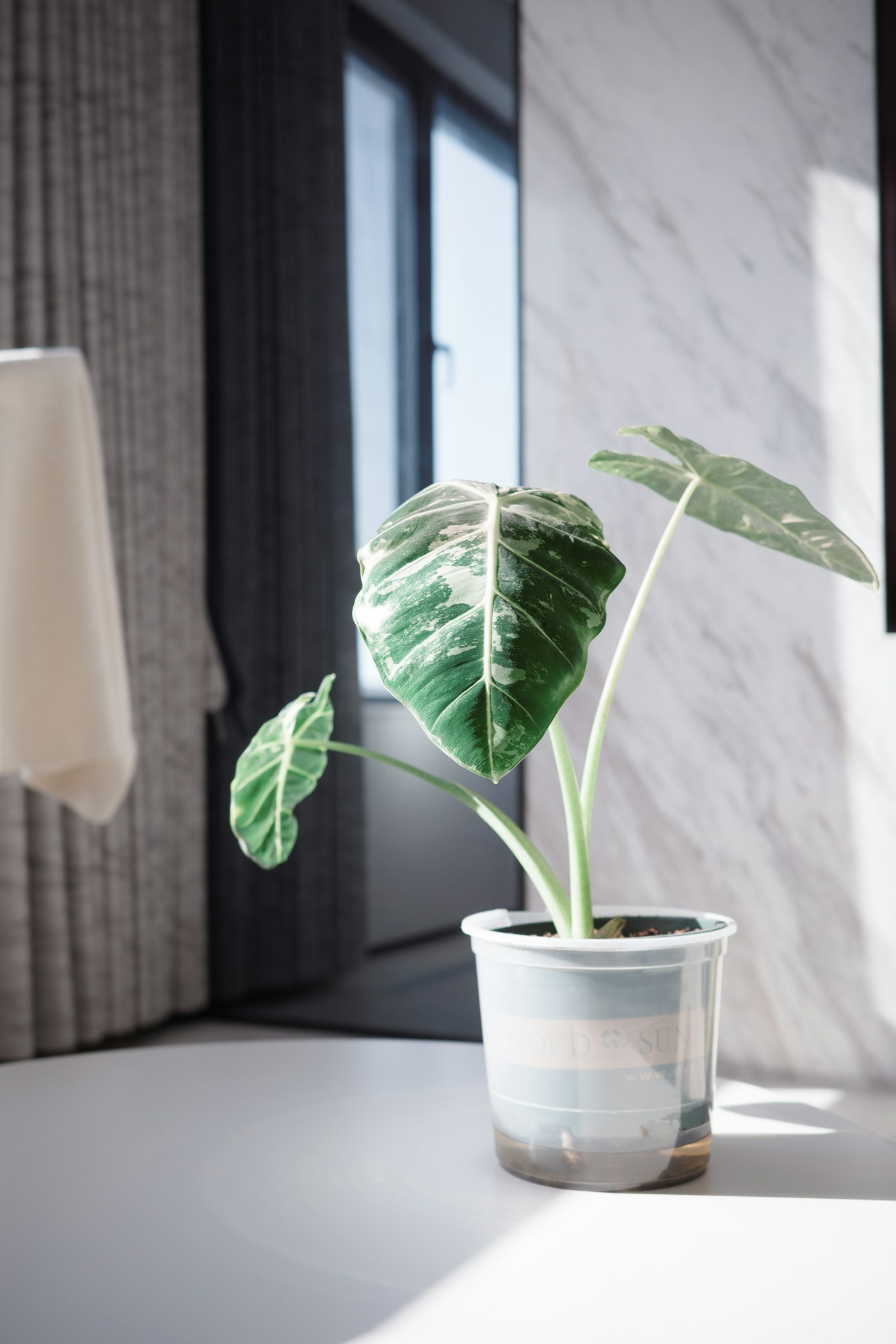
A new container can feel like the obvious answer to a plant that looks untidy. Yet repotting is a change to its growing conditions, not simply a change of furniture. Before choosing a larger pot, write down the reason you are considering the move. A short decision sheet helps distinguish an appealing purchase from a care task that the plant actually needs.
Name the question first
Start with a sentence: ‘I am considering repotting because…’. Describe a specific observation, such as roots visible through drainage holes or a change in the way the pot dries. Add when you first noticed it and whether the growing location changed recently. A photograph of the plant and its current container provides a useful reference, especially if you decide to wait and review rather than act immediately.
Illinois Extension lists several possible clues, including roots at the surface or drainage holes, a root-filled soil mass and smaller new leaves. It also points out that repotting frequency differs between plants and that some tolerate being pot-bound better than others. These clues should prompt an assessment, not a rule that every visible root demands a large new container. Check guidance for the plant you have identified.
Plan the container as a growing space
Write the measurements of the existing growing pot, not just the decorative cover around it. Then note the proposed pot's dimensions and drainage arrangement. Photograph or sketch how it will sit on the sill. A container that fits the plant but overhangs a narrow shelf creates a practical problem. Check stability, access for watering and the ability to remove collected water before filling anything with mix.
If repotting is appropriate, prepare a suitable potting mix and a clear working area in advance. Illinois Extension advises keeping the plant at its previous growing depth and leaving space at the top for watering. Follow species-specific guidance for handling the roots and choosing the next container. This page is a planning aid, not a general instruction to cut roots or bury stems.
Leave a record for the next decision
Label a small envelope or journal entry with the date, old pot size, new pot size and the mix used. Keep the packaging details if they will help you identify that mix later. Include a photograph from the same angle as the earlier one. A note such as ‘changed pot and mix together’ prevents you from claiming that one factor alone explained a later difference.
Finally, decide what you will observe next: how the pot drains, its drying behavior and visible growth over time. Avoid demanding an immediate transformation as proof that the task succeeded. If you postpone the move, write down what evidence would make you reconsider. The decision sheet has done its job when it makes either action or patient observation clear, rather than turning every plant-care session into another repot.
Repotting principles: Illinois Extension: Repotting. The decision-sheet format is an editorial planning exercise.