Compare a plant with its own past
Seasonal photographs are most useful when their context travels with them.
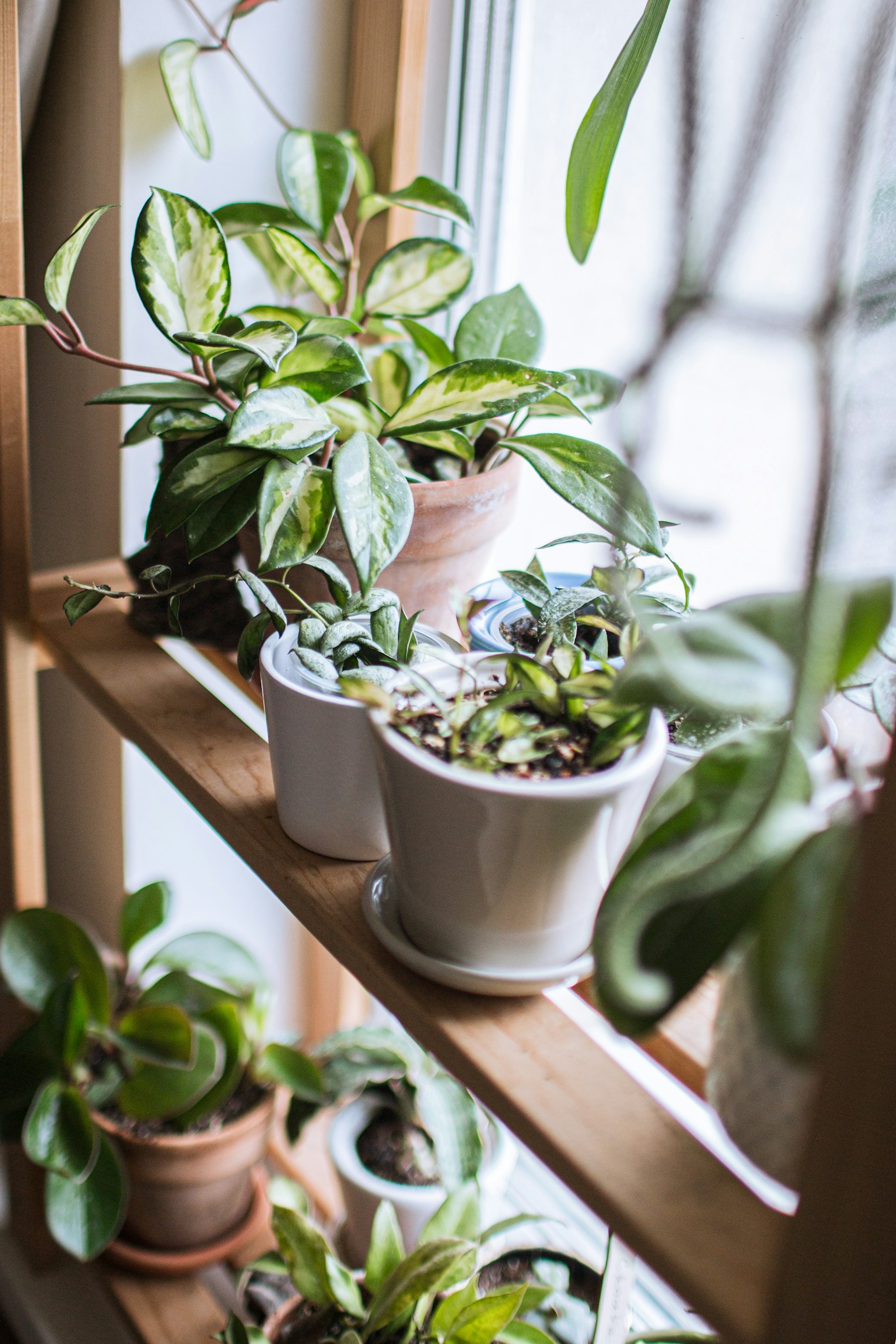
A photograph taken months ago can make a plant seem suddenly transformed. It can also mislead. The pot might have moved closer to the camera, the leaves may face a different direction and the earlier image may have been taken before a seasonal change. Pair photographs with a few notes so that comparisons ask better questions than simply ‘does it look bigger?’
Choose a repeatable view
Pick a background and a camera position that you can use again without moving a heavy pot. Include the whole plant and its container. Keep one ordinary object or a ruler in the frame if size matters to your question. A second close view can record a particular leaf or shoot, but it should not replace the overall photograph. Save the unedited originals with the date in the filename.
On the same page, record the location, approximate daylight conditions and any recent changes you know about. A new curtain, a heating system starting for the season or a move to another room deserves a line. These are context notes, not explanations by themselves. If you do not know when something changed, say so. An honest approximate date is preferable to a precise date invented later.
Keep actions separate from observations
Use one column for what you noticed and another for what you did. ‘New leaf opening’ belongs in the first; ‘moved to the left sill’ belongs in the second. A third, optional column can hold questions. This simple separation prevents a journal from turning into a story in which every action appears to have produced the very next change, even when several conditions shifted together.
University of Minnesota Extension's spring-care guidance describes how longer days and stronger light can accompany changes in growth and water use. Its local seasonal timing should not be copied blindly into another climate or hemisphere. Instead, treat it as a reminder to connect a calendar entry with actual conditions. Write ‘heating off this week’ or ‘sun now reaches sill in afternoon’ when those observations are more meaningful.
Make the comparison small enough to finish
Lay two photographs beside each other and describe three visible differences. Perhaps a stem leans more, a new leaf has opened and a lower leaf is no longer present. Resist assigning a cause to each one. Then check the action column and choose one question worth investigating. A focused question such as ‘has this pot stayed wet longer since the move?’ is easier to answer than a general verdict on plant health.
There is no need to photograph everything every day. Select an interval that suits the plant and your curiosity, with extra notes when a meaningful change occurs. The archive should support attention, not become a chore that crowds it out. Over time, a handful of well-labelled comparisons can offer a clearer account of one plant than a large gallery of attractive but context-free images.
Seasonal context: University of Minnesota Extension: Spring Houseplant Care. The comparison process is an editorial journaling method.